

K-Dramas have captivated global audiences with their compelling stories, but they often face criticism for perpetuating harmful stereotypes and insensitive depictions. Here's a list of some recurring issues, drawn from various analyses and reports.
1. Stereotypical Gender Roles for Women
Per Medium, many K-Dramas portray women in traditional, sexist roles like devoted housewives or caregivers who sacrifice their own ambitions for family. For instance, in "Crash Course in Romance," the protagonist is shown as a self-sacrificing figure prioritizing others' needs, reinforcing the "good wife and wise mother" trope. Similarly, Confucian influences embed mindsets where women are subordinate, as seen in various shows where female characters' worth is tied to appearance and male validation.

2. Romanticization of Toxic Relationships
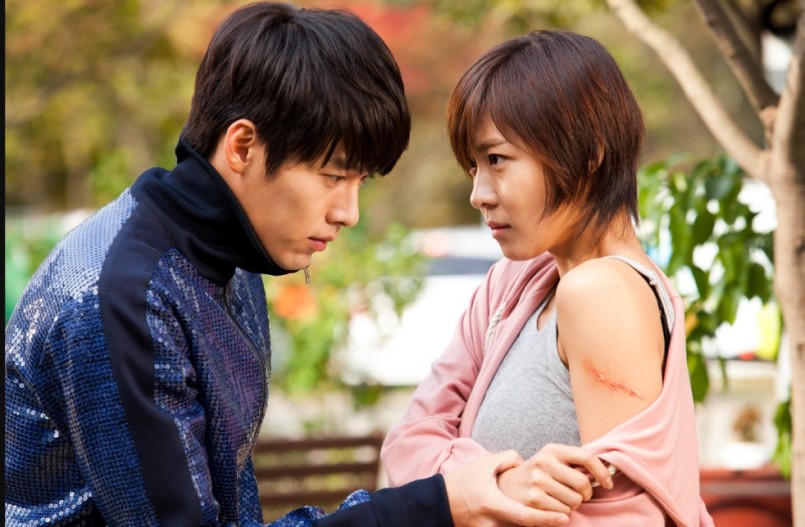
According to The Korea Times, A common trope involves domineering male leads who exhibit controlling behavior, like wrist-grabbing or shouting, which is framed as romantic. In older dramas, male characters push women against walls or initiate unwanted physical contact, portraying conflict as passion. This suggests that a woman's love can "fix" a jerk, ignoring real-life red flags.
3. Power Imbalances in Romances
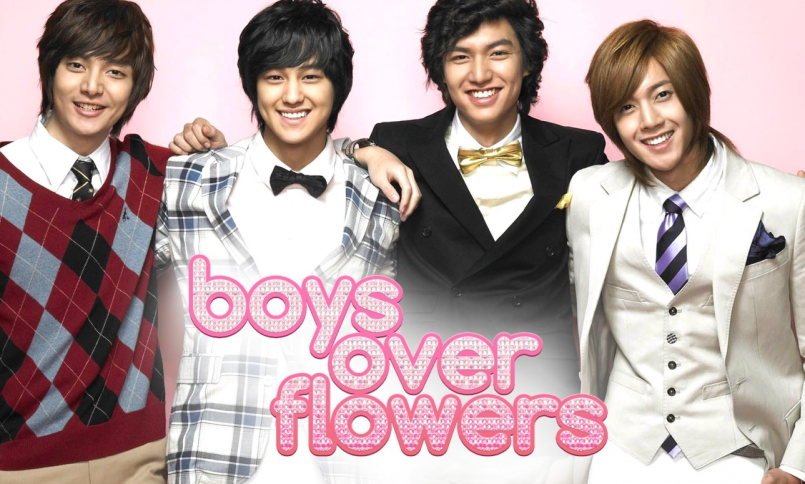
Plots frequently pair wealthy, powerful men with poor, feisty women, implying happiness comes from marrying up. Examples include "Boys Over Flowers" and "Coffee Prince," where female leads conform to feminine ideals to please their partners, reinforcing class and gender hierarchies.
4. Objectification and Beauty Standards
Female characters' value is often linked to physical beauty, leading to insecurity and competition. In "True Beauty," the protagonist's transformation via makeup ties her worth to appearance, perpetuating the male gaze and rivalry among women.

5. Emotional Dependency on Men
Women are depicted as nurturers who rely on men for emotional strength, subordinating their careers to relationships. "Doctor Slump" shows characters as fragile and dependent, masking gender imbalances under the guise of equality.

6. Racial Stereotypes of Foreigners
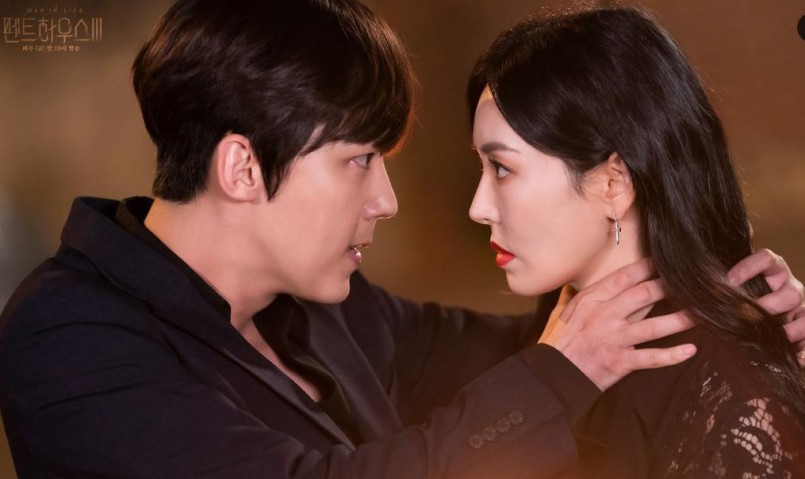
K-Dramas often caricature non-Korean characters, especially from Africa or Black communities. In "Penthouse 3," an African American character is shown with dreadlocks, tattoos, and a "blaccent," perpetuating harmful stereotypes. "Sh**ting Stars" portrays Africa as a monolithic, impoverished land needing salvation.
7. Cultural Insensitivity Toward Middle Eastern and Muslim Cultures
Depictions mix and misuse cultural elements, like in "To the Moon," where Arabian costumes are blended with bindis and hula dances, labeled as ignorant and racist. "Genie, Make a Wish" uses "Iblis" (a demonic figure in Islam) insensitively, drawing backlash from Muslim viewers.
8. Misrepresentation of Historical Events
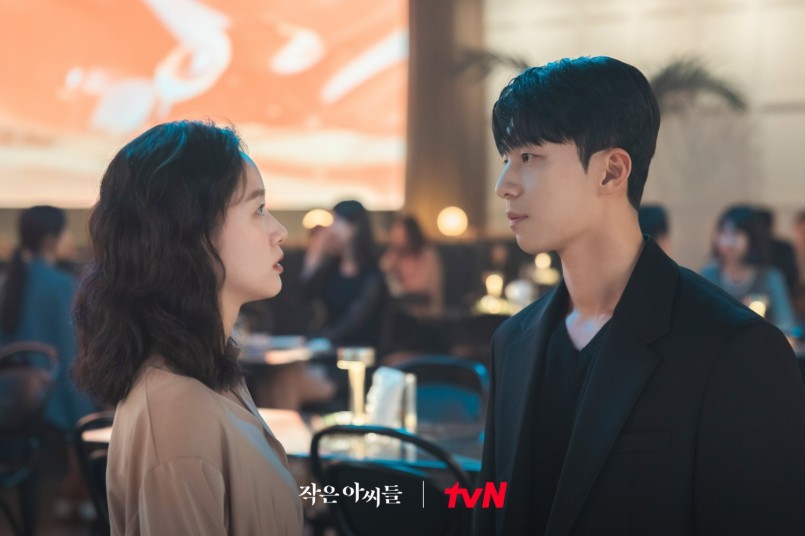
Shows like "Little Women" glorify Korean troops in the Vietnam War, distorting history and leading to bans in affected countries. "Joseon Exorcist" inaccurately used Chinese props in a Korean historical setting, sparking cultural disputes.
9. Disrespectful Use of Tragedies
Dramas sometimes incorporate real-world tragedies inappropriately, such as "2521" using 9/11 as a romantic backdrop with laughter, seen as disrespectful to victims.

10. Stereotypes of Other Asian Cultures
Portrayals can be dismissive, like in "Rocket Boys" implying negative stereotypes about Indonesians, or "Big Mouth" making unnecessary racist remarks about Thai culture.


