

K-dramas are a massive hit around the world due to their exciting stories and attractive stars; however, some K-dramas have made a big impact by promoting harmful stereotypes as a means of continuing Gender inequality, Beauty pressure, Cultural bias, and far more. Based on various studies, this is a breakdown of the following 12 examples of K-Dramas supporting the above issues in various ways.
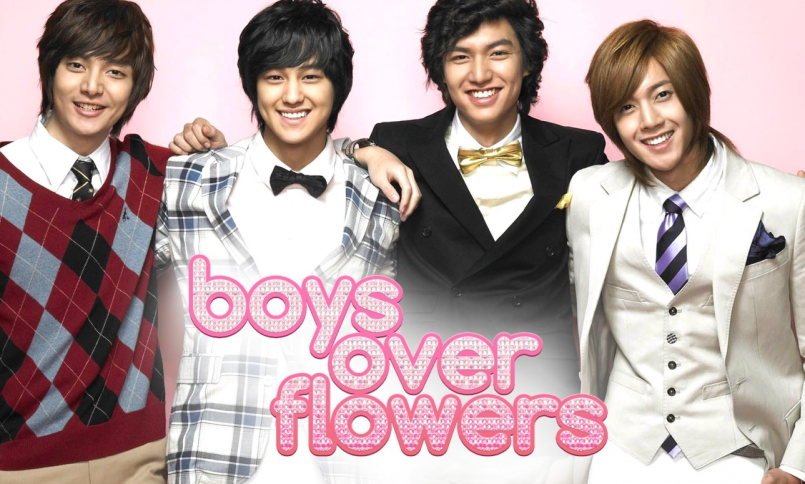
1. Boys over Flowers (2009)
This romantic coming-of-age story of teenage love has depicted women as submissive, indecisive, and always needing a man to rescue them from the consequences of their own courageous actions. It clearly depicts the idea of how men dominate women, and the ways that women's independence is under constant threat due to the dominance of men (through physical abuse) and the way toxic public bullies are portrayed as charming and attractive to these women.
2.The Heirs (2013)
This series depicts a group of possessive toxic boyfriends who use manipulation, intimidation, or sheer power to control their girlfriends.

3. True Beauty (2020)
True Beauty is based on the premise of using makeup as a means to gain acceptance from others. The premise of the show objectifies women by establishing "appearance" and "male acceptance" as the only way to measure a woman's worth and beauty, thus creating feelings of inadequacy and jealousy among women and fostering competition among women based on a false and unrealistic standard of beauty.

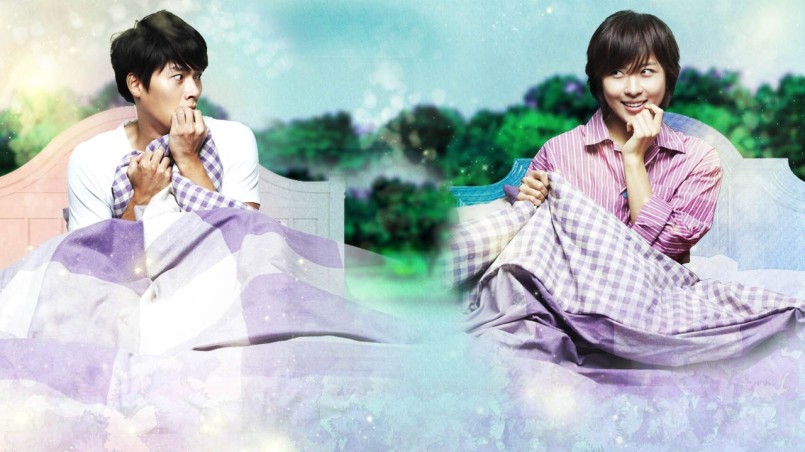
4. Secret Garden (2010–2011)
The male lead pursues his female love interest aggressively despite her protestations, reinforcing the idea that his needs are more important than hers and establishing harmful ideas about female roles and expectations regarding male relationships.
Read more: Shin Min-a and Kim Woo-bin's $230K Wedding Day Donation Stuns the Public: 'This Is a First'
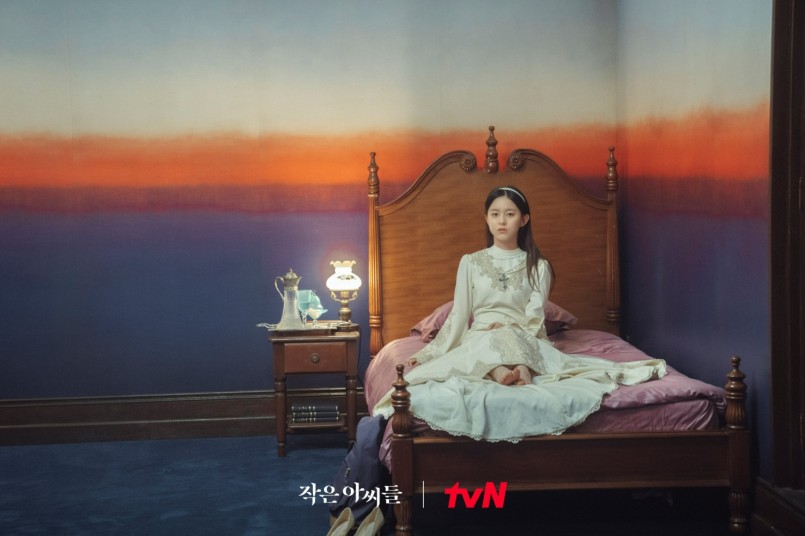
5. Little Women (2022)
Faced backlash for distorting the Vietnam War with discriminatory terms and exaggerated killing ratios favoring Korean troops, reinforcing racist stereotypes against Vietnamese people and sparking international outcry.
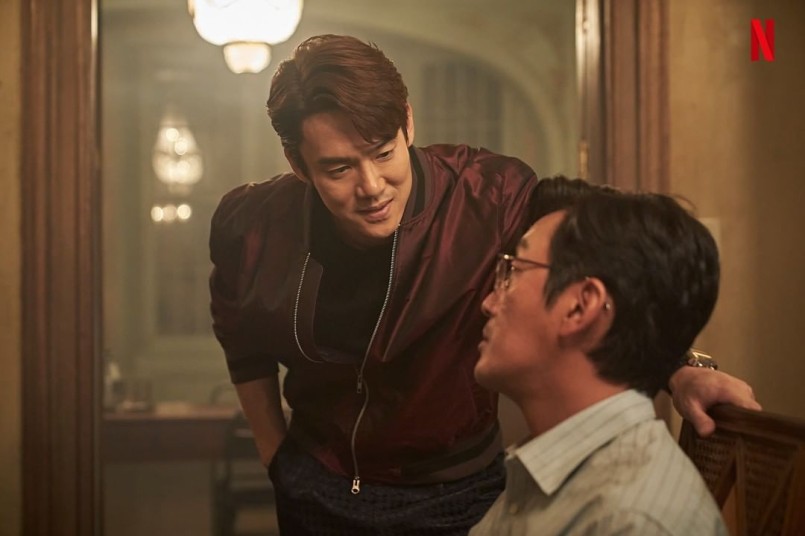
6. Narco-Saints (2022)
This drama, criticized for portraying Suriname as a drug trafficking hub and negatively depicting its people, perpetuates cultural stereotypes that harm the nation by fostering misunderstandings and prejudices.
7. Doctor Slump (2024)
The female lead embodies emotional dependency and nurturing roles, prioritizing support for the male counterpart over her own autonomy, reinforcing stereotypes of women as fragile caregivers defined by relationships.

8. Crash Course in Romance (2023)
It idealizes women's self-sacrifice in caregiving and domestic duties, glorifying subordination to family obligations while marginalizing personal ambitions, perpetuating traditional gender roles that limit female independence.

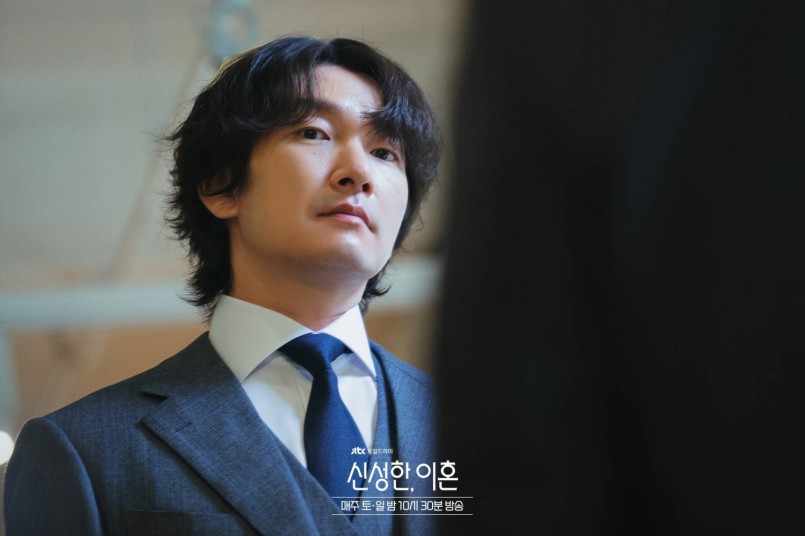
9. Divorce Attorney Shin (2023)
A Vietnamese wife is depicted as a liar, fueling xenophobia and untrustworthiness stereotypes toward immigrants, contributing to societal divisions and bullying culture in Korea.
10. The Good Bad Mother (2023)
Portrays a rich businessman as a murderer, suggesting wealth equates to criminality, which stigmatizes successful individuals and reinforces class prejudices that breed mistrust.

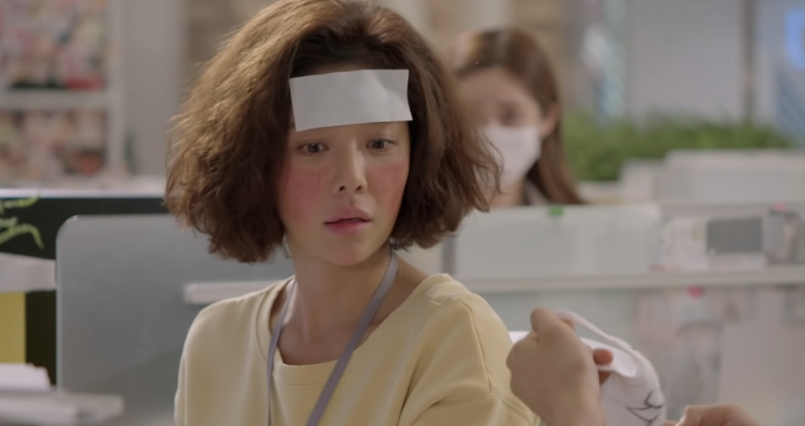
11. She Was Pretty (2015)
Emphasizes physical transformations to meet beauty ideals for social and romantic success, reinforcing harmful norms that link women's value to appearance and encourage conformity to patriarchal standards.
12. Birth of a Beauty (2014–2015)
The plot revolves around drastic makeovers to achieve "perfection," perpetuating unrealistic beauty pressures and objectification, harming viewers by promoting the idea that self-worth depends on external validation and looks.


