

The Korean dramas entertain viewers around the world with storylines and characters, but when looking closer, some plot elements are recycled in these shows. These tropes, although sometimes attacked for being repetitive, can be considered an integral part of these shows, and in this article, according to expert opinions and discussions among fans, some of these plot elements will be discussed.
1. Rich Guy, Poor Girl (Cinderella Story)
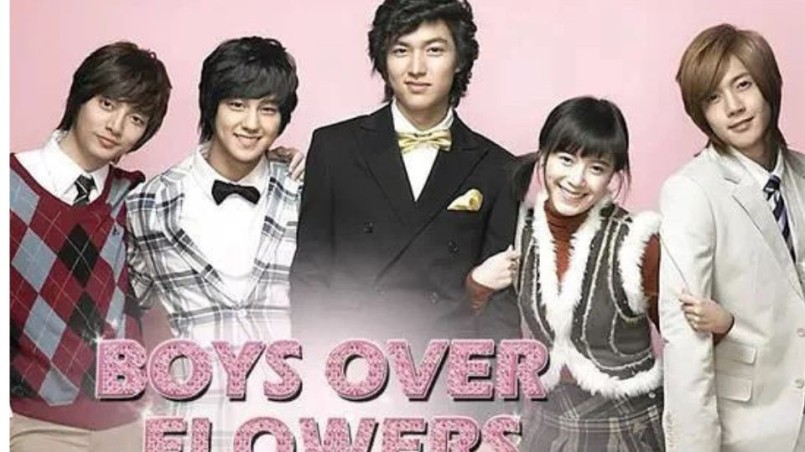
The wealthy and distant male protagonist from an influential background finds himself drawn to the hard-working and lower-class female protagonist. This is the classic "class conflict and then romance" trope, which is prevalent in books like "Boys Over Flowers" and "Heirs."
2. Enemies to Lovers
The hero and heroine usually begin with a hatred towards each other and bicker on a daily basis only to fall deeply in love after overcoming some form of misunderstanding or challenges together. Such a premise gives room for tension created through sarcasm and developing tenderness that is commonly seen in series such as "Suspicious Partner."

3. Sudden Amnesia
Memory loss because of accidents or trauma that helps erase all previous relations among the main characters is also very common. It is also an interesting plot for dramas and is found in movies such as "Bring It On, Ghost," and all romance films.

Read more: tvN's 'Nice to Not Meet You' Goes Viral for Controversial 18-Year Age Gap:'What Were They Thinking?'
4. Childhood Connection
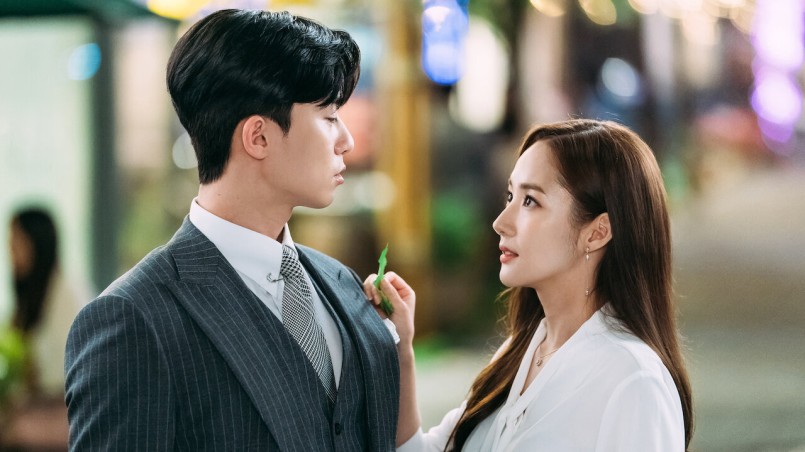
The pair learn they have a remarkable shared connection or past love experienced in childhood that they have long forgotten, thus reaffirming their predestined connection. This plot device occurs in several series, such as "What's Wrong With Secretary Kim."
5. Disapproving Parents
The interfering relatives are usually parents or grandparents who are against the main couple because of social status or interfamily conflicts or their own goals and dreams. This is a classic situation for stories like "Boys Over Flowers."
6. Love Triangles
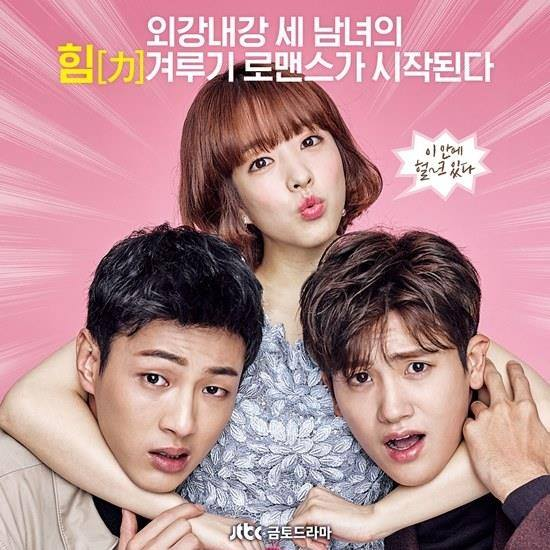
A romantic rivalry plot involving two men who pursue the same female lead, usually with disastrous consequences for the 'second lead'. The 'second lead syndrome' is a popular trope which sparks controversy in shows such as ''Cheese in the Trap'' and ''Strong Woman Do Bong Soon.''
7. Second Lead Syndrome
The kind and supportive secondary male or female lead character is the one who is in love with the hero or heroine but ultimately gets rejection, hence eliciting sympathy from the audience who usually prefer this character over the other two. This particular character is famously known as the reason behind "second lead syndrome."


